
Chemlok 2332 Covercoat Adhesive for Rubber Bonding
Black, general-purpose covercoat adhesive used over a compatible primer in two-coat rubber bonding systems.
Request pricing, technical documents, or application guidance.


Working with Hongtu
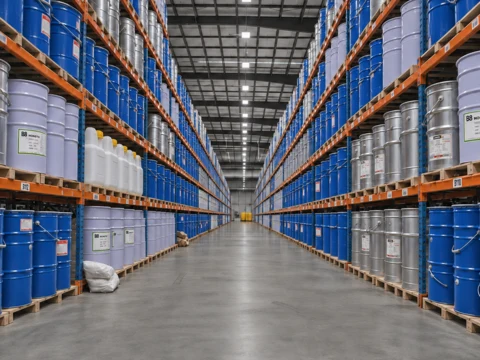
Hongtu Chemical is based in Qingdao, China, and supplies Chemlok 2332 as an authorized distributor. Our work in rubber bonding began in 1998. We help overseas customers select materials and run production trials. We also have our own dangerous-goods warehouse and hold qualifications for dangerous-goods exports.
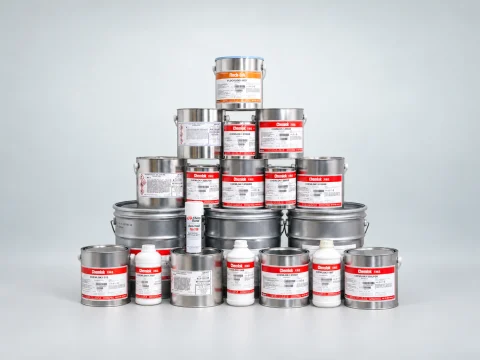

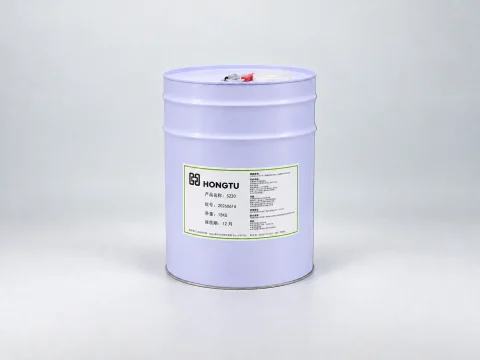
Product and system selection
Chemlok 2332 is a black, general-purpose covercoat adhesive used over a compatible primer in two-coat rubber bonding systems. Select the compatible primer and coating process for the rubber compound, substrate and service conditions.
Materials and primer selection
Chemlok 2332 bonds unvulcanized or vulcanized rubber to primed metals and other rigid substrates. Recommended primers are Chemlok 205 or Chemosil 211. It also bonds treated textiles to rubber during vulcanization.
Compatible elastomers include natural rubber (NR), polyisoprene (IR), SBR, BR, CR, NBR, HNBR, butyl rubber (IIR), ACM, ECO and millable urethane. The thermoplastic-elastomer application is limited to Hytrel TPE; it does not cover all TPEs.
Preparation and application
Clean oil, grease, rust and oxides from metal surfaces. Allow the primer to dry completely. Stir the adhesive before and during use to maintain a uniform suspension. If dilution is needed, use xylene or toluene; dilution accelerates settling, so maintain agitation.
Apply by brush, dip, spray or roll coating. The usual dry film thickness is 12.7–17.8 μm; some difficult rubber compounds or demanding environmental conditions may require a thicker film. Allow the film to dry until solvent evaporation is visually complete, normally about 30–60 minutes at room temperature. This is a drying time, not a vulcanization schedule.
Typical properties
| Property | Typical value |
|---|---|
| Viscosity at 25°C; Brookfield LVT, spindle 2, 30 rpm | 100–250 mPa·s |
| Density | 920–970 kg/m³ |
| Solids content by weight | 23.5–25.5% |
Typical values are for reference, not product specifications.
Supply and application enquiries
Contact our team for quotations, technical documents or advice on rubber bonding.
Contact
Request a quote for Chemlok 2332
Tell us the quantity you need and the delivery destination. Include any packaging requirements or preferred delivery date.