Materials for your process

Adhesives, release agents and coatings have distinct roles in production. Browse the processes below to understand the materials involved, find relevant products or discuss material selection and production issues with Hongtu Chemical.

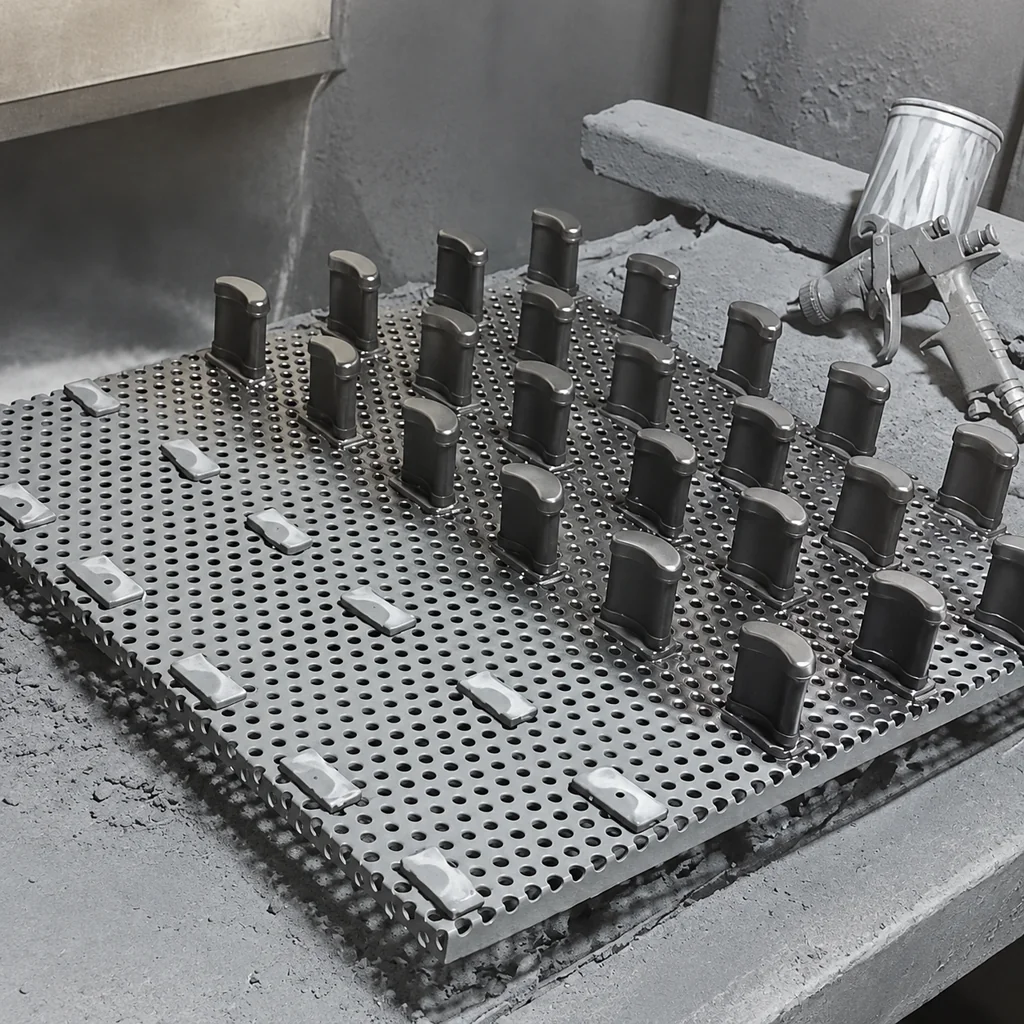
A spray gun above rows of industrial air-conditioning components on a perforated fixture

Rubber-to-substrate bonding
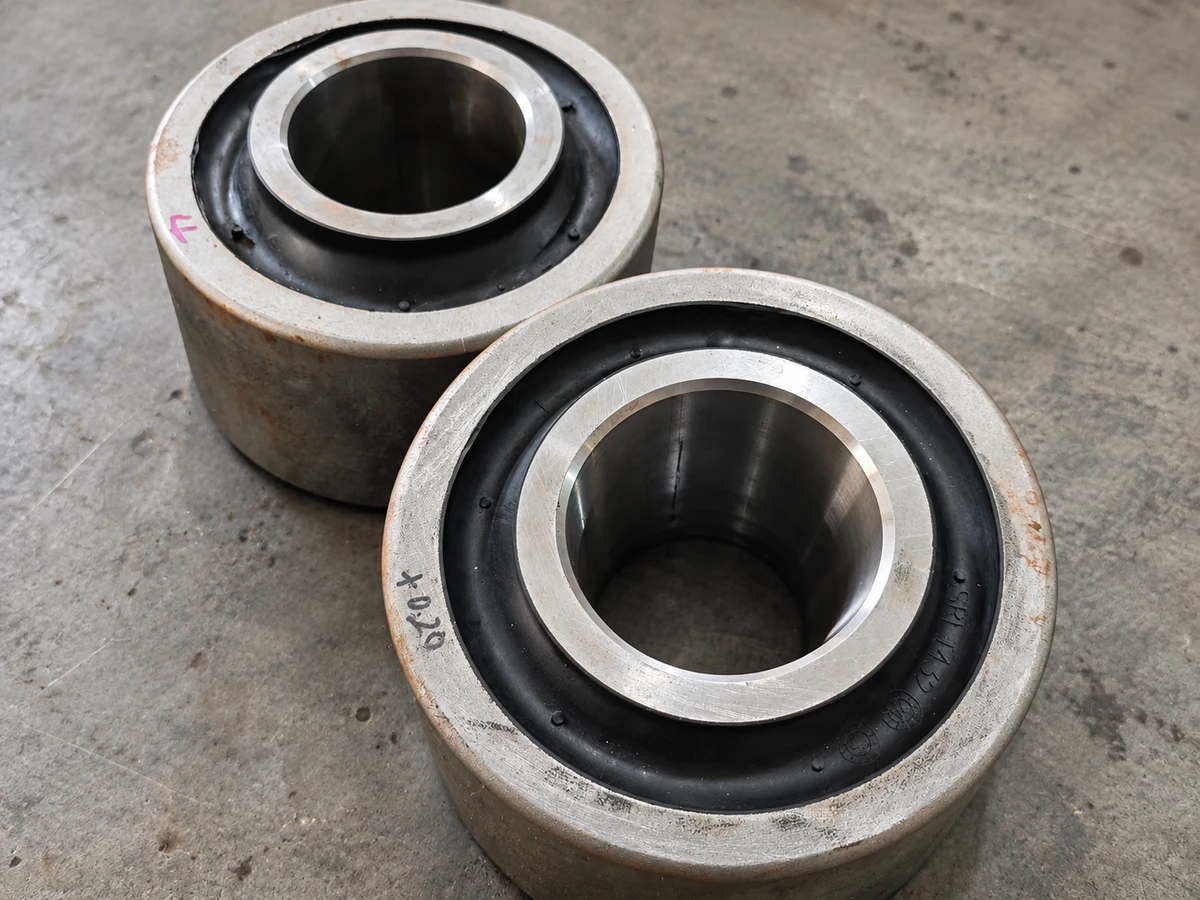
Two components with inner and outer metal sleeves and black rubber between them

Rubber can be bonded to metal and other substrates during vulcanization or after the rubber has cured. The rubber compound, cure system and materials on both sides of the bond are the starting point for selecting an adhesive system.

In a primer-and-covercoat system, the primer goes onto the prepared substrate, followed by a compatible covercoat adhesive. The two work together to form the bond. A one-coat system uses one bonding material, chosen for the rubber compound and cure conditions. “One-coat” and “one-component” mean different things, and a one-coat system still requires surface preparation.

Surface treatments serve a separate purpose before bonding. Chemlok 7701, for example, improves the wetting of cured rubber and is used with a compatible adhesive. It is not a standalone adhesive and must not be applied to metal.
Discuss your application

Polyurethane & in-mold bonding

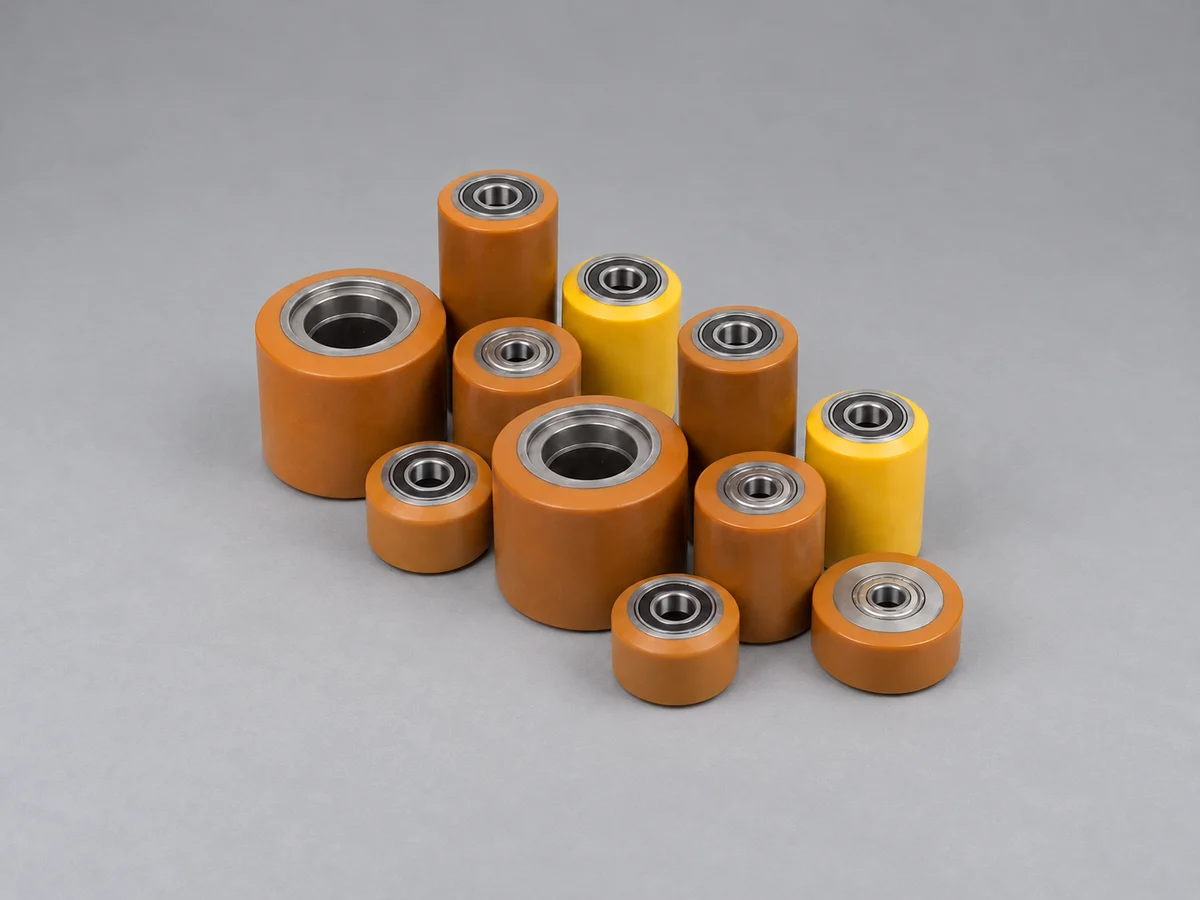
A group of orange-brown and yellow coated cylindrical parts with metal inner bores

Polyurethane bonding agents join polyurethane to metal and other substrates. Castable polyurethane, reaction injection molded (RIM) polyurethane and thermoplastic polyurethane (TPU) use different processing methods. Bonding agents, companion primers and prebaking requirements need to suit the process. “Polyurethane bonding agent” describes the intended use, not necessarily the chemistry of the adhesive.

In-mold bonding materials promote adhesion between a polymer and an insert or other rigid substrate during molding. LORD IMB 1020 is used for bonding thermoplastics to rigid substrates during injection molding. LORD IMB 3050 is used to bond addition-cured (platinum-cured) silicone rubber to metals and compatible plastics during injection or compression molding. Products within the IMB range still need to be selected for the polymer grade, insert material and molding process.

Discuss your application

Mold release

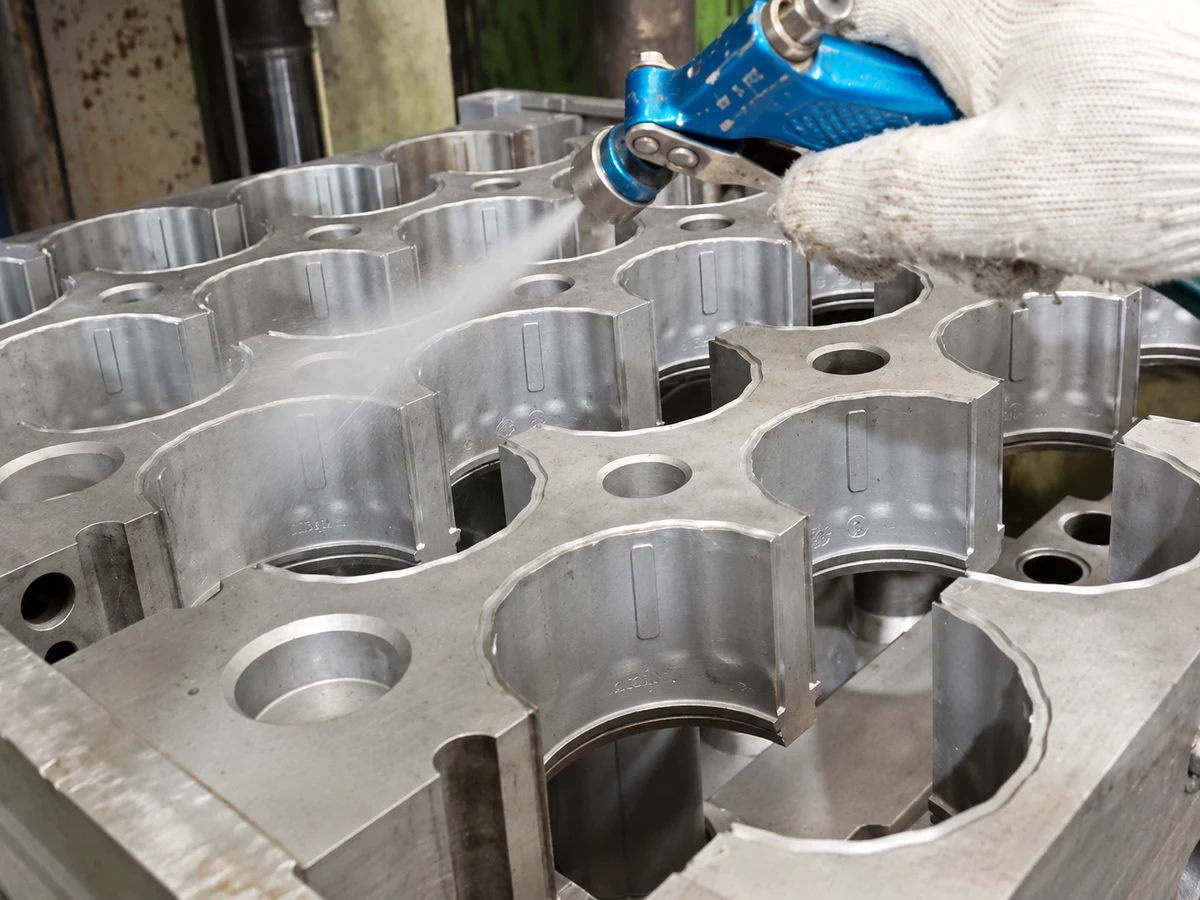
A gloved hand using a blue spray gun over open metal mold cavities

Release agents help separate molded parts from the mold. The current range includes products for rubber vibration-control parts, conveyor belts and flat belts, with selected grades also used in resin molding. Material suitability, mold conditions and application methods vary by grade.

Successful release is only part of the assessment. Mold cleaning, coating drying and reapplication also need to fit the production process. Trials should check mold deposits and the finished surface. If parts will later be bonded or coated, include those operations in the evaluation.

Related products

Discuss your application

Curing-bladder release

Black tires and red handling equipment in an industrial workshop

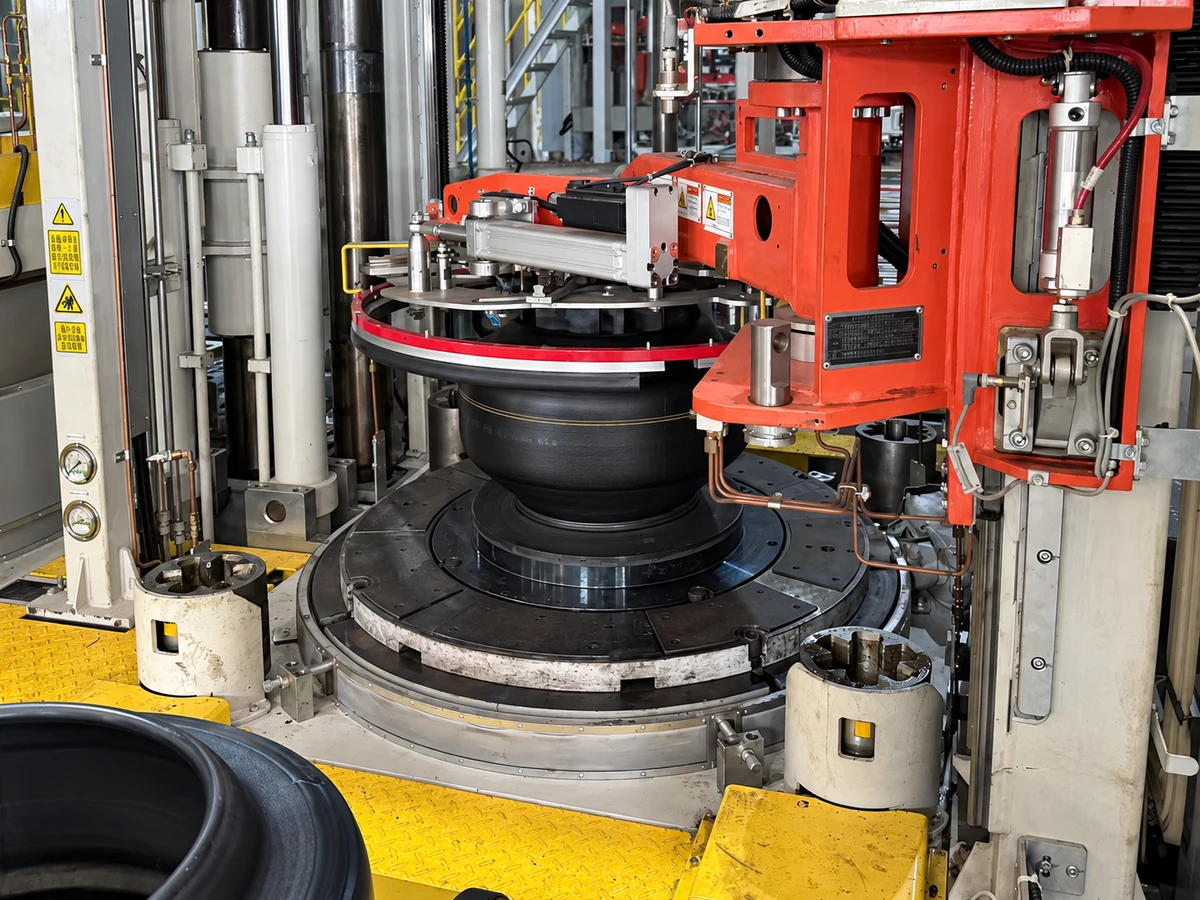
In tire and air spring production, bladder release concerns separation, slip and air evacuation where the curing bladder contacts the product. TRA-1 is sprayed or brushed onto the rubber bladder surface to provide release and lubrication during vulcanization. This differs from applying a release agent directly to a mold.

Initial bladder cleaning, uniform application and reapplication during production need to be assessed under actual curing conditions. Dilution and reapplication intervals are established through production trials; “semi-permanent” does not specify a fixed number of cycles.

Related products

Discuss your application

Automotive weatherstrip coatings

Close-up of a black coated rubber weatherstrip with a raised profile and textured surface

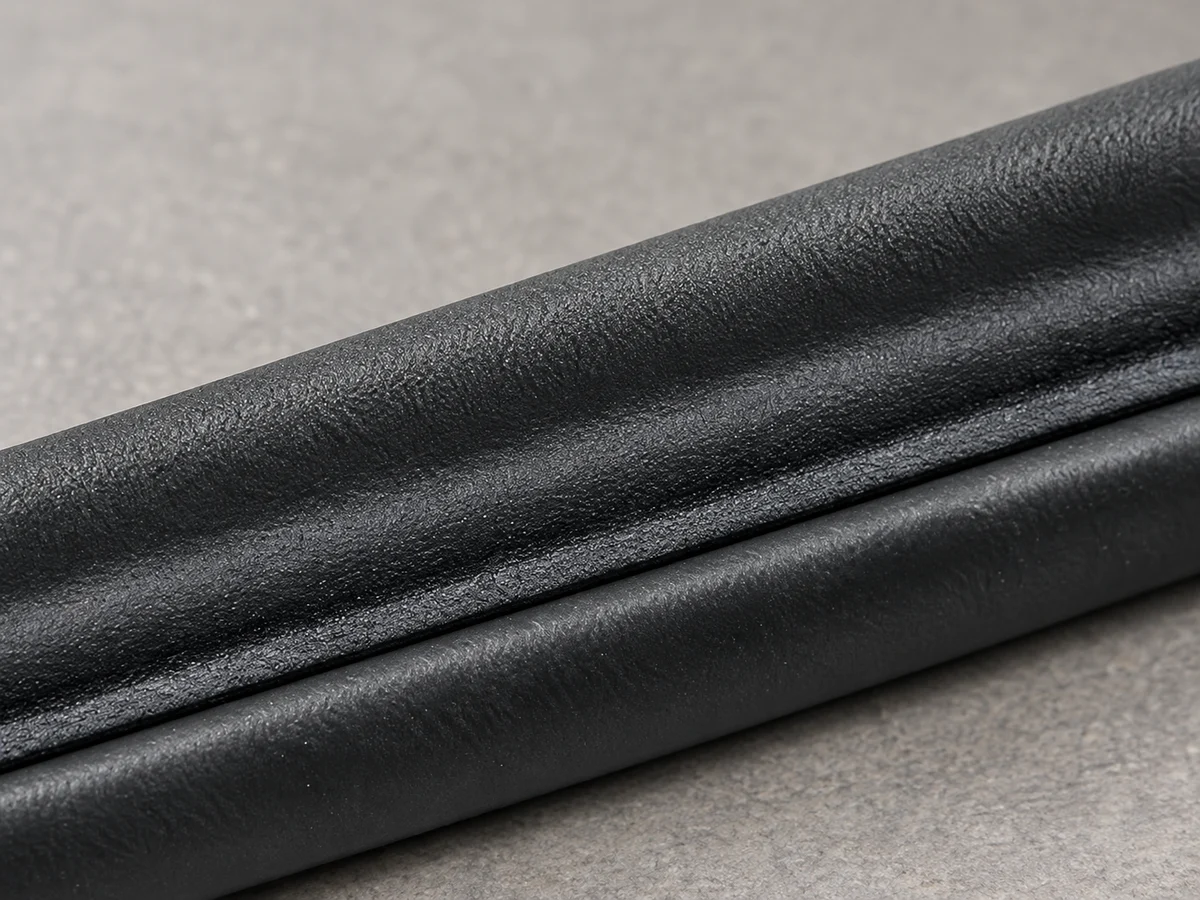
Automotive weatherstrip coatings modify the contact surface of a profile. Selection involves friction, wear, contact noise and appearance requirements. Sipiol and Autoseal products include smooth, textured and micro-textured finishes, with substrate suitability and seal applications defined by the grade.

Surface preparation and curing also affect coating performance. For in-line coating, heating time needs to be considered alongside line speed and oven length. Off-line processing must meet the application and curing requirements of the selected coating; another grade’s process cannot simply be carried across.

Single-component and two-component products have different preparation requirements. Sipiol WL 2015-22P, for example, is designed for off-line application and requires Sipiol WV 21 F curative. Primers, curatives and thickeners serve different purposes and must be checked against the specific coating system.

Related products

Discuss your application

Flocking of elastomers & profiles

Close-up of a black flocked weatherstrip showing the short-fiber contact band and rubber base

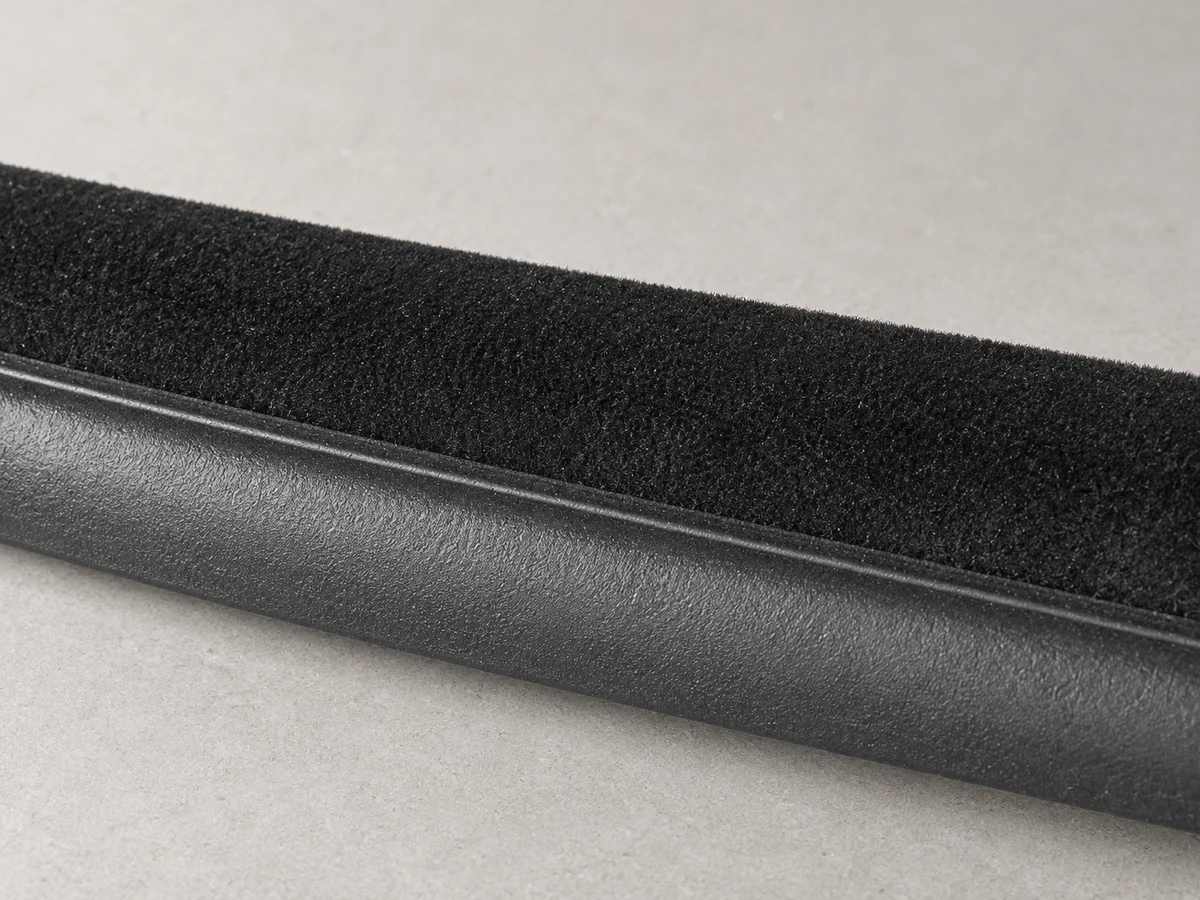
Flocking adhesives secure flock fibers to an elastomer surface. Flocklok 852F bonds polyester or nylon flock to SBR, CR, NBR and EPDM, either directly on the production line or in a separate off-line operation.

Rubber bloom, processing oils and residual mold-release material need to be removed before applying the adhesive. Curing conditions depend on the substrate and production cycle: elevated-temperature curing is required to optimize Flocklok 852F adhesion to EPDM. Trials should assess the fiber-and-rubber combination, adhesive application and heating conditions available on the equipment together.

Related products

Discuss your application

Magnet protective coatings

Two gray arc-shaped magnet segments on a gray studio background

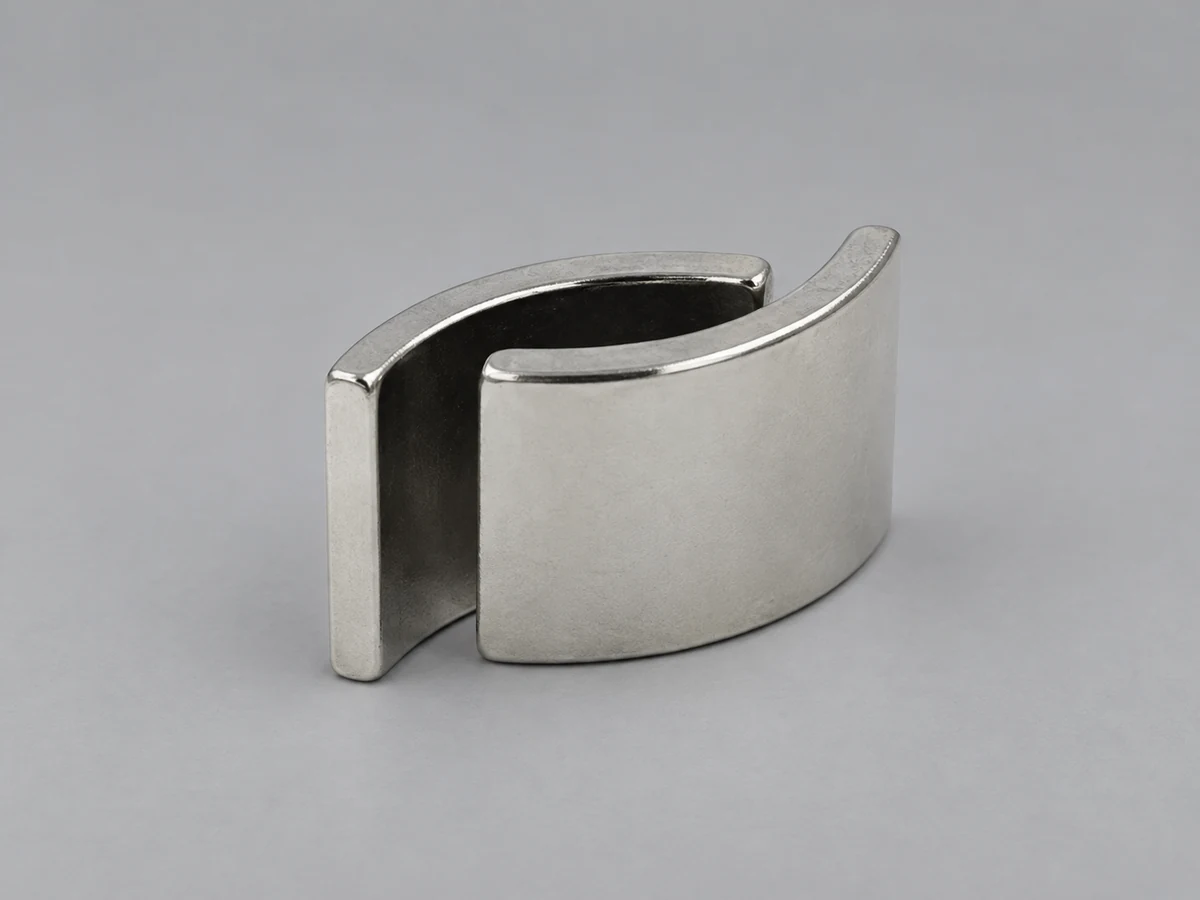
Magnet coatings protect the surface of the part. The current range includes the thermal-cure epoxy LORD JMC-700K and the phenolic LORD JMC-400G. JMC-700K provides corrosion and moisture protection and electrical insulation for magnets. Performance and application requirements should be checked separately for each JMC grade.

Coating evaluation needs to account for the magnet material, surface preparation, film thickness and actual part heating. For JMC-700K, curing must allow for the time needed for the part to reach the target temperature; the oven setting alone is insufficient. If bonding or assembly follows coating, validate the coated part against the requirements of those operations as well.

Related products

Discuss your application

Contact

Start with your materials and process

Tell us about your materials, process and any problems you are working on. We can discuss relevant products, technical documentation and the next stage of evaluation.