Chemlok 608
For the same application
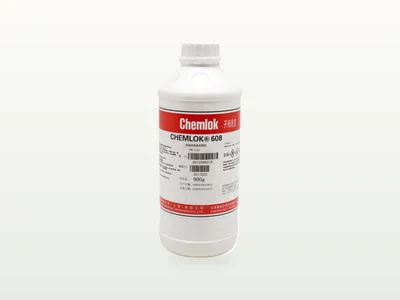
One-coat adhesive for bonding silicone to metal and other rigid substrates during peroxide cure, including silicone systems that require post cure.
Product details
One-coat adhesive for bonding unvulcanized silicone rubber in peroxide-cured systems to metal, glass, plastic and textiles, with selected specialty elastomer applications.
Request pricing, technical documents, or application guidance.
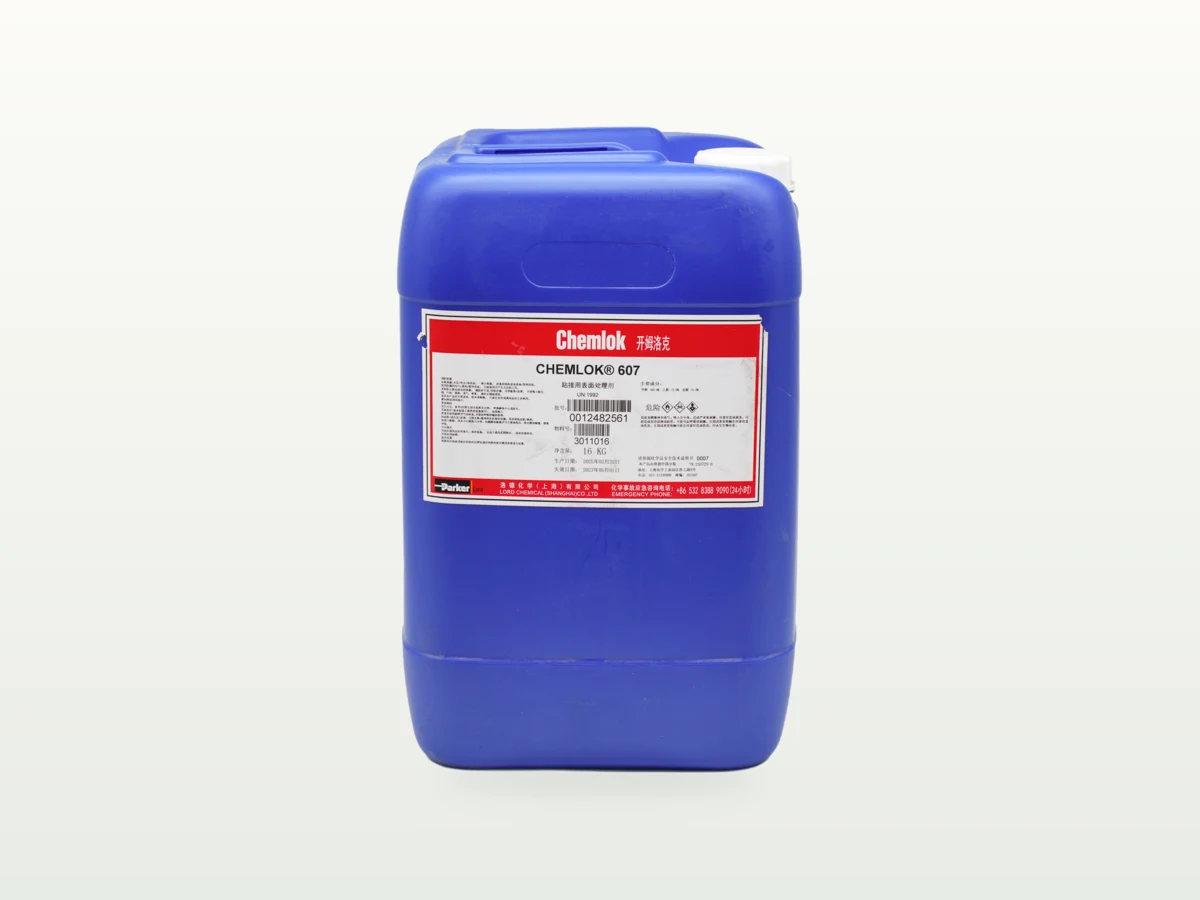


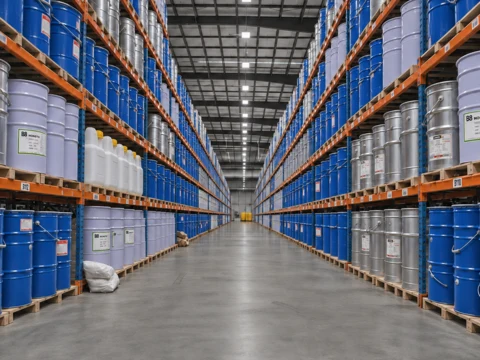
Hongtu Chemical is based in Qingdao, China, and supplies Chemlok 607 as an authorized distributor. Our work in rubber bonding began in 1998. We help overseas customers select materials and run production trials. We also have our own dangerous-goods warehouse and hold qualifications for dangerous-goods exports.
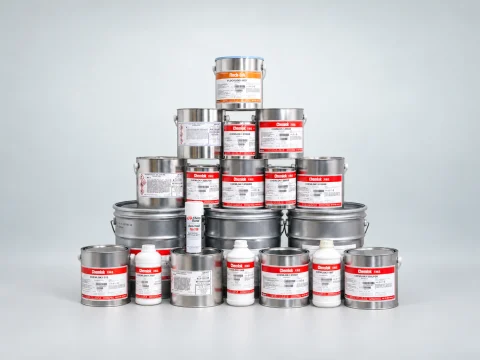

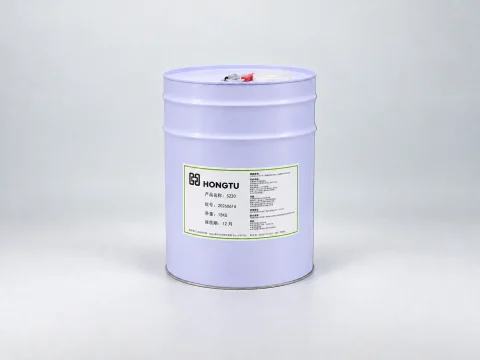
Chemlok 607 is a clear, solvent-based adhesive for bonding unvulcanized silicone rubber in peroxide-cured systems to metal, glass, plastic and textiles. It is applied as a single coat and also supports selected specialty elastomers.
Compatible elastomers include peroxide-cured silicone, polyacrylate rubber (ACM), fluoroelastomer (FKM), ethylene acrylic elastomer (AEM) and epichlorohydrin rubber (ECH). Select the surface preparation and processing conditions for the actual elastomer–substrate combination.
Metal surfaces require removal of oils, grease, rust and oxide layers. Nonmetallic substrates need preparation suited to the material; fabrics are normally desized by scouring before treatment.
Apply a uniformly thin film by brush, spray or dip. Methanol or ethanol may be used for dilution. Prepare only the amount needed for a short period because the product evaporates rapidly from open containers.
For textiles, the dry pickup should be 0.05–1.0% of the dry fabric weight. Control pickup to avoid fabric stiffness, particularly when dipping or brushing. Porous substrates may require greater dilution.
Allow approximately 10–30 minutes of air drying at room temperature. Porous substrates and humid conditions may require longer drying to remove the solvent fully. Elevated-temperature drying at 104°C for 15 minutes is also an option.
After air drying, coated parts may proceed to vulcanization. Maintain intimate contact between the rubber compound and substrate during curing.
| Property | Typical value |
|---|---|
| Appearance | Clear to slightly yellow liquid |
| Density | 820.0–840.0 kg/m³ |
| Solids by weight | 6.2–6.8% |
| Solvent system | Methanol, ethanol |
Typical values are for reference, not product specifications. Verify the material combination and cure conditions before production.
Contact our team for quotations, technical documents or advice on silicone and specialty elastomer bonding.
For the same application
One-coat adhesive for bonding silicone to metal and other rigid substrates during peroxide cure, including silicone systems that require post cure.
Product detailsFor the same application
One-coat adhesive for silicone rubber and selected specialty elastomers using peroxide cure systems.
Product detailsContact
Tell us the quantity you need and the delivery destination. Include any packaging requirements or preferred delivery date.